
online course
Courses / Awareness
Manual Handling — Aviation.
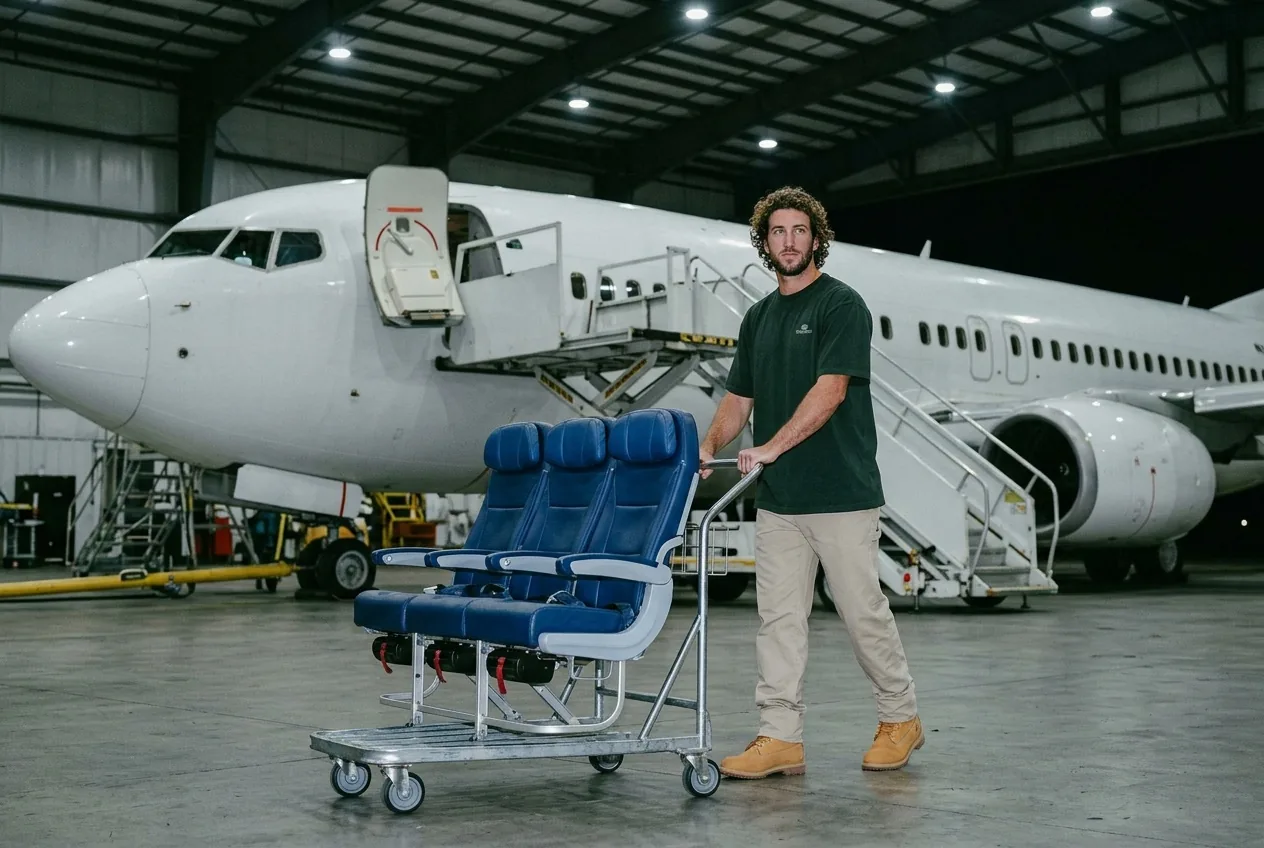
Cargo holds, seat units, overhead panels, stores cartons — the tasks that wear engineers out. Use the gear that's there.
Awareness course · not nationally recognisedPrice$35 + GST
TypeAwareness
Duration~90 min · online
DeliveryOnline · self-paced
You leave withCertificate of completion
01 — overview
Manual handling for 737 line and base maintenance engineers, apprentices and stores staff. The five risk factors, the hierarchy of control, the lifts, trolleys and in-hold belts already in the hangar, and the link to the human factors Dirty Dozen you already know. About 90 minutes, online, certificate of completion.
Built for: Aviation.
02 — who it’s for
- Licensed aircraft maintenance engineers (LAMEs)
- Unlicensed engineers (AMEs) and apprentices
- Aviation stores and logistics officers
- Engineering managers and safety officers
03 — what’s covered
01
Not a lifting problem
3 topics- What a hazardous manual task actually is — lift, lower, push, pull, carry, hold, restrain
- Five risk factors, not five kilos — and why one factor is enough
- How the Dirty Dozen and the Code of Practice describe the same 2am shift
02
Seeing it on the 737
3 topics- The Code's screening lines — twice a minute, 30 seconds, 20 degrees, hands above the shoulder
- There is no legal lifting weight — what regulation 60 asks you to look at instead
- Where apron heat, lighting, the hangar floor and the store layout make it worse
03
Use the gear that's there
3 topics- The hierarchy of control — and why a technique talk is a placard, not a repair
- Scissor lifts, seat trolleys, in-hold belts, cowl hoists, scissor tables, tool trolleys
- Pressure is a risk factor — 'I'll get the lift' is a complete sentence
04
Who owes what at 2am
3 topics- Airline, worker and officer duties under the WHS Act 2011 (Qld)
- Consultation, health and safety representatives, and the right to cease unsafe work
- Snag it early — report discomfort through the hazard report before it's a claim
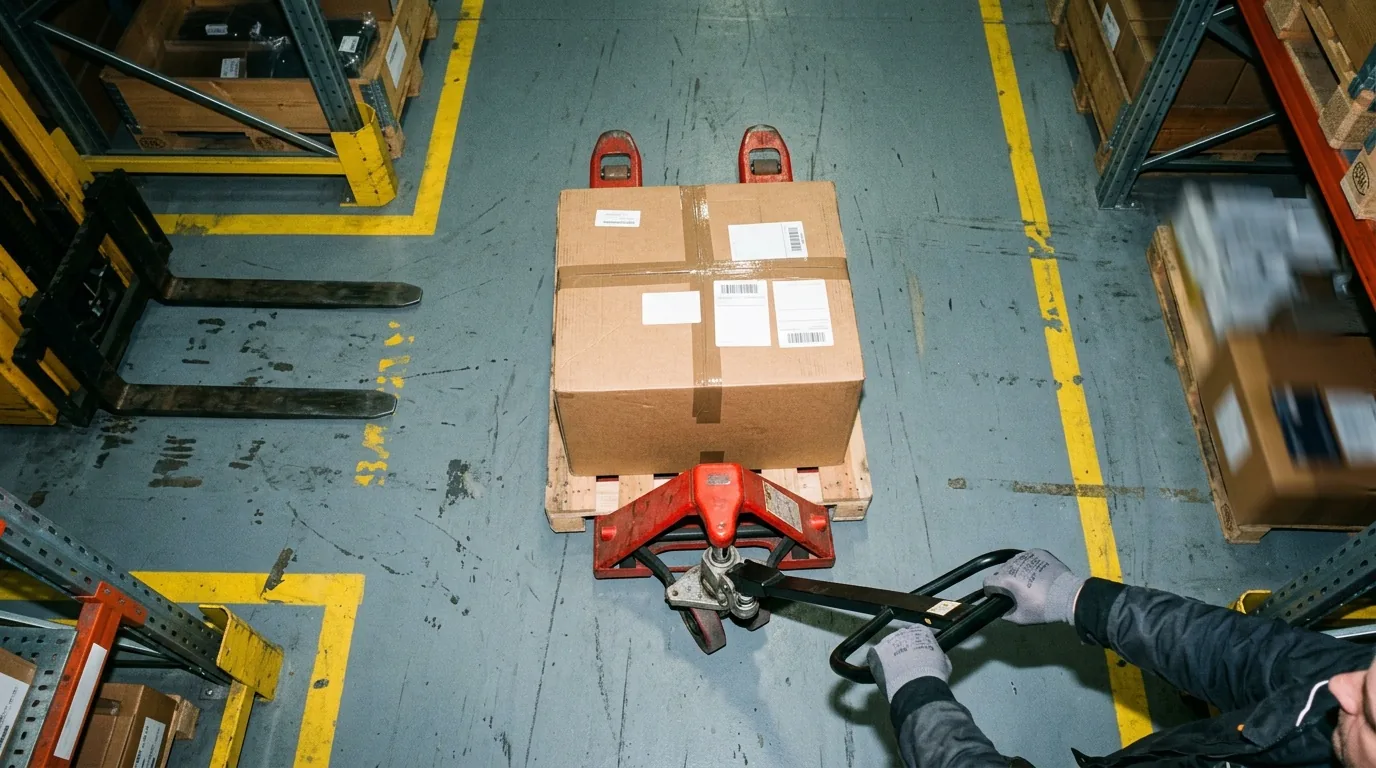
04 — how it works
FormatTap-through microlearning — ~90 min · online. Built for phones, works everywhere. Start on smoko, pause, pick it up on the train.
PracticeScenario cards drop you into real situations along the way — you make the call a worker actually faces, then get the reasoning, straight up.
ChecksQuick knowledge checks in every module. Not exam-style — the course makes sure it sticks before it moves on.
You leave withA certificate of completion from an RTO-crafted course, issued instantly and logged in the Nexa Compliance Hub — with renewal reminders for you or your whole team.
No. This is an awareness course — practical, RTO-authored online training that issues a certificate of completion. It is not a nationally recognised unit of competency.
~90 min · online. Delivery: online, self-paced. Start, pause, and finish whenever suits.
Both apply on the same floor. CASA regulates airworthiness and requires your human factors training and safety management system. Sore backs, shoulders and knees belong to WorkSafe Queensland under the Work Health and Safety Act 2011 (Qld). The course sits across the two — it uses the Dirty Dozen you already know as the way in, and a hazard report through the SMS is the right form for a manual task that hurts.
No. The old 1990 national code (assess over 16 kg, never exceed 55 kg) was withdrawn, and the 25 kg figure floating around is a British guidance chart. Queensland's 2021 Code of Practice sets no number — there is no safe weight for all workers in all circumstances. A sticker on the bench is a house rule, not the law: fine as a trigger, never as the test. The course teaches the five risk factors that actually decide it.
Anyone who moves things in a hangar, on the line or in an aviation store — LAMEs, AMEs and apprentices first, then stores and logistics officers. Engineering managers and safety officers get the duties and consultation content from their side of the desk, and the end-of-course action card is written to land on their desk.
About 90 minutes, on your phone or a laptop. Twenty-five short bites across four modules with a quick knowledge check in each, a task-sorting interactive and a posture dial you can set to real 737 jobs, two short CASA human factors clips, an 'apply what you know' chat at the end of every module, and one spoken scenario where you talk a colleague out of carrying a seat unit down the airstairs — a headset helps but the phone mic is fine. You finish by naming your own two hardest tasks, which builds a one-page action card for whoever runs safety at your operation.
It covers the law, the five risk factors and the categories of gear that exist in most 737 operations — it can't know which stand lives in which bay. The employer stays responsible for training workers on the specific hazardous manual tasks in their own hangar, line and store and the aids in place for them. That's exactly what the end-of-course action card is for. If you want the course rebuilt around your own operation, that's a tailored course — talk to us.
Yes — we deliver to teams of any size at your site, on your schedule. See in-house training →
/ related — awareness
all courses →
 awareness
Asbestos Awareness
Know what ACM is, where it hides, and when to stop work.
View course →
awareness
Asbestos Awareness
Know what ACM is, where it hides, and when to stop work.
View course →
 awareness
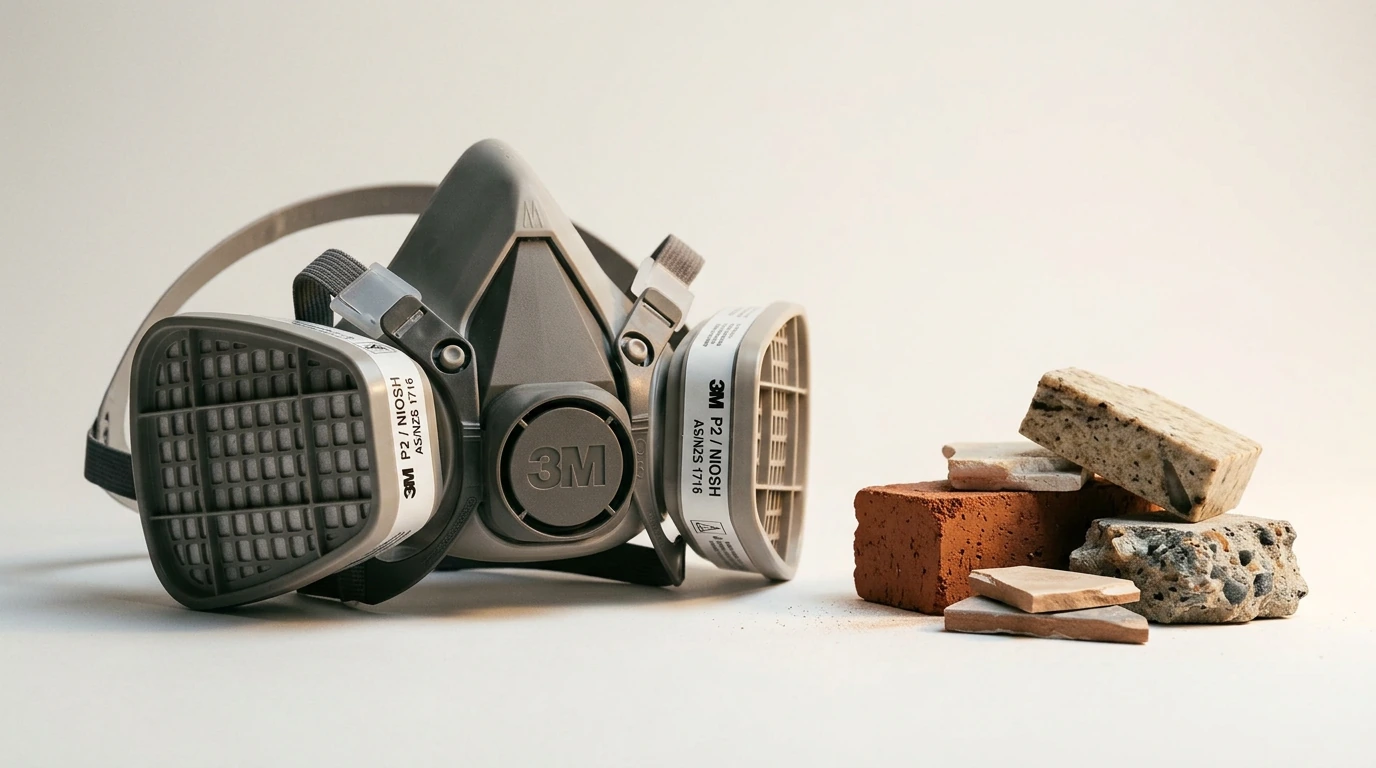
Silica Awareness
Respirable crystalline silica — controls, RPE, and the engineered-stone rules.
View course →
awareness
Silica Awareness
Respirable crystalline silica — controls, RPE, and the engineered-stone rules.
View course →
 awareness
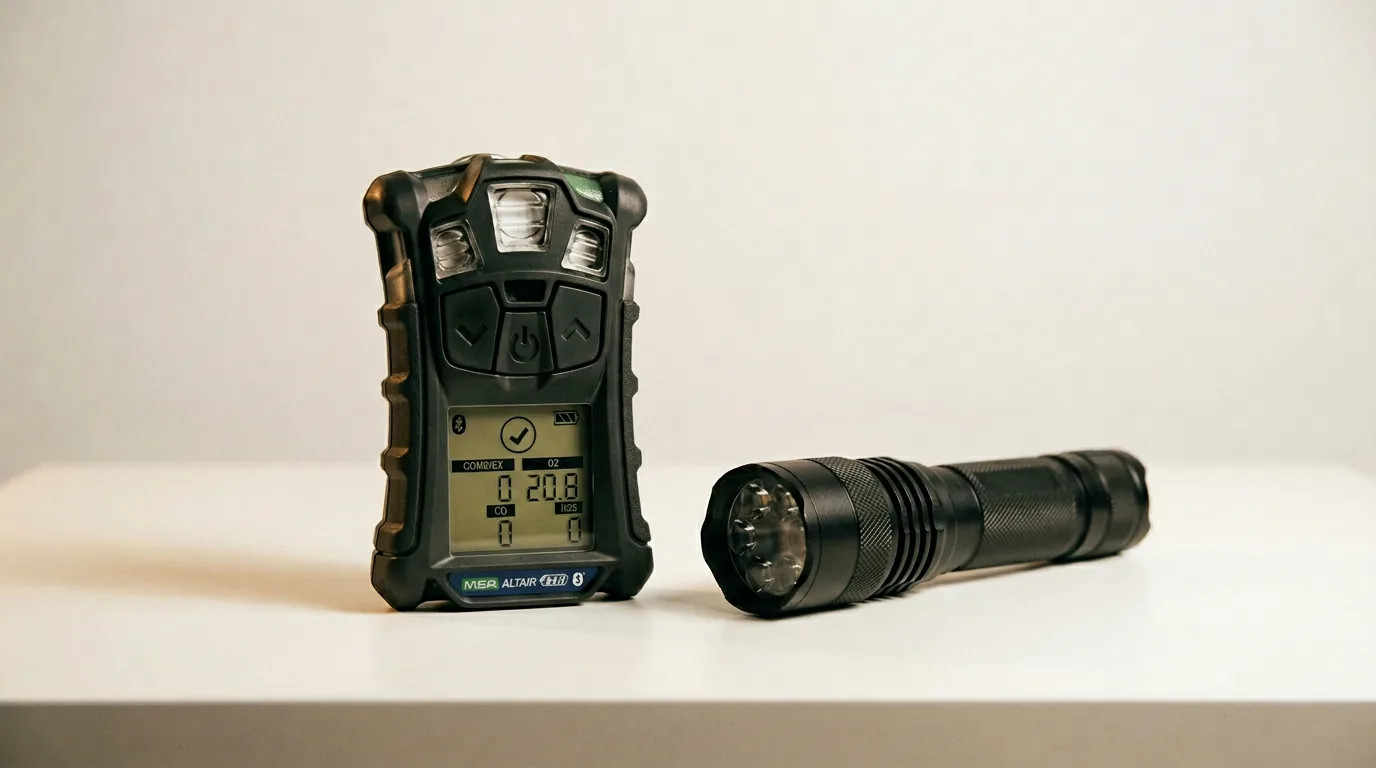
Confined Spaces Awareness
Atmospheric hazards, entry permits, and when not to attempt a rescue.
View course →
awareness
Confined Spaces Awareness
Atmospheric hazards, entry permits, and when not to attempt a rescue.
View course →
 awareness
Cyber Awareness
Phishing, passwords, MFA — the courses that stop the breach email.
View course →
awareness
Cyber Awareness
Phishing, passwords, MFA — the courses that stop the breach email.
View course →